



 The charm of Nagasaki - Nagasaki's strengths
Medicine, the marine products industry, and global peace.
The city possesses diverse strengths cultivated through a unique environment and history.
Tropical medicine
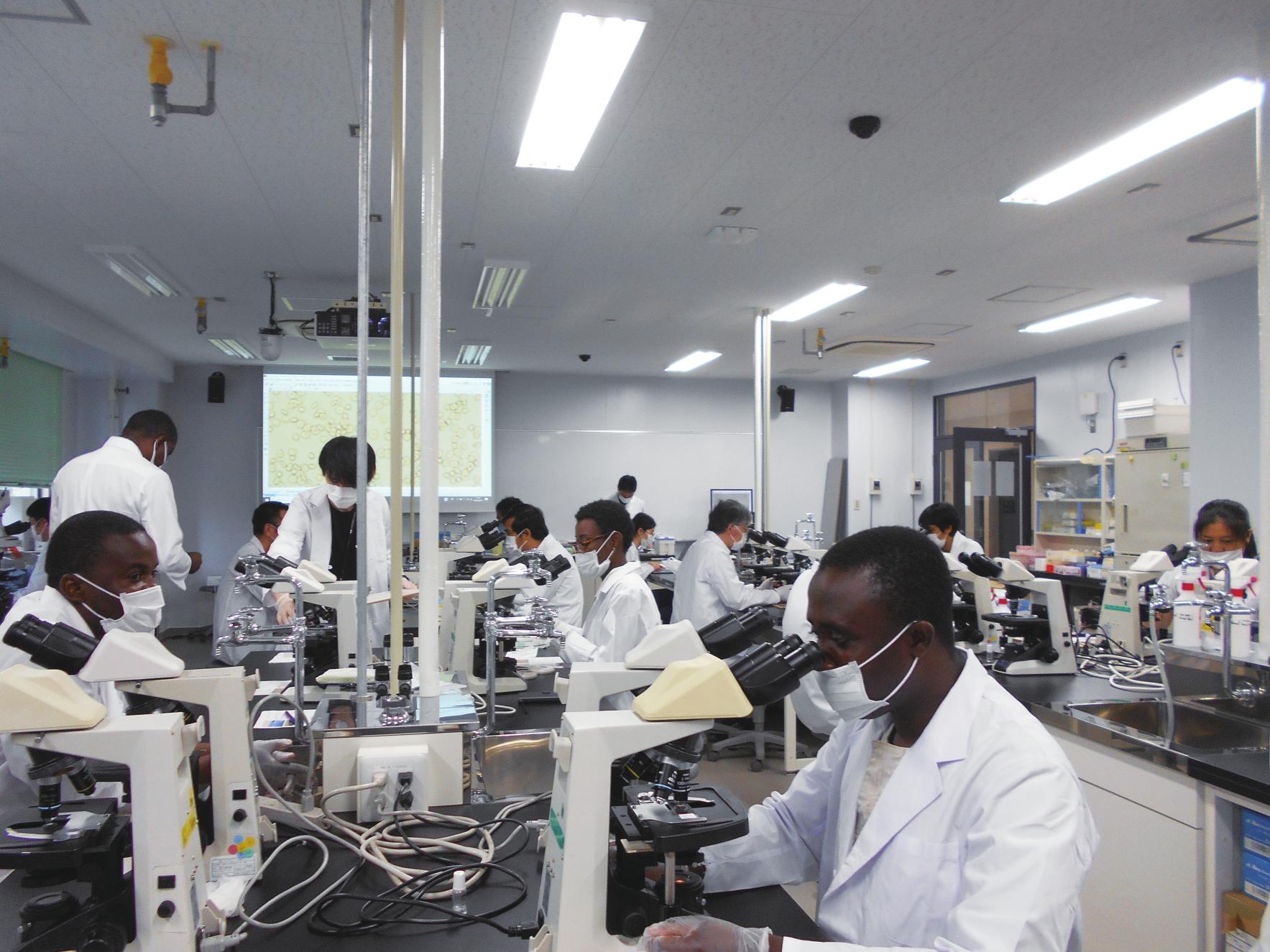
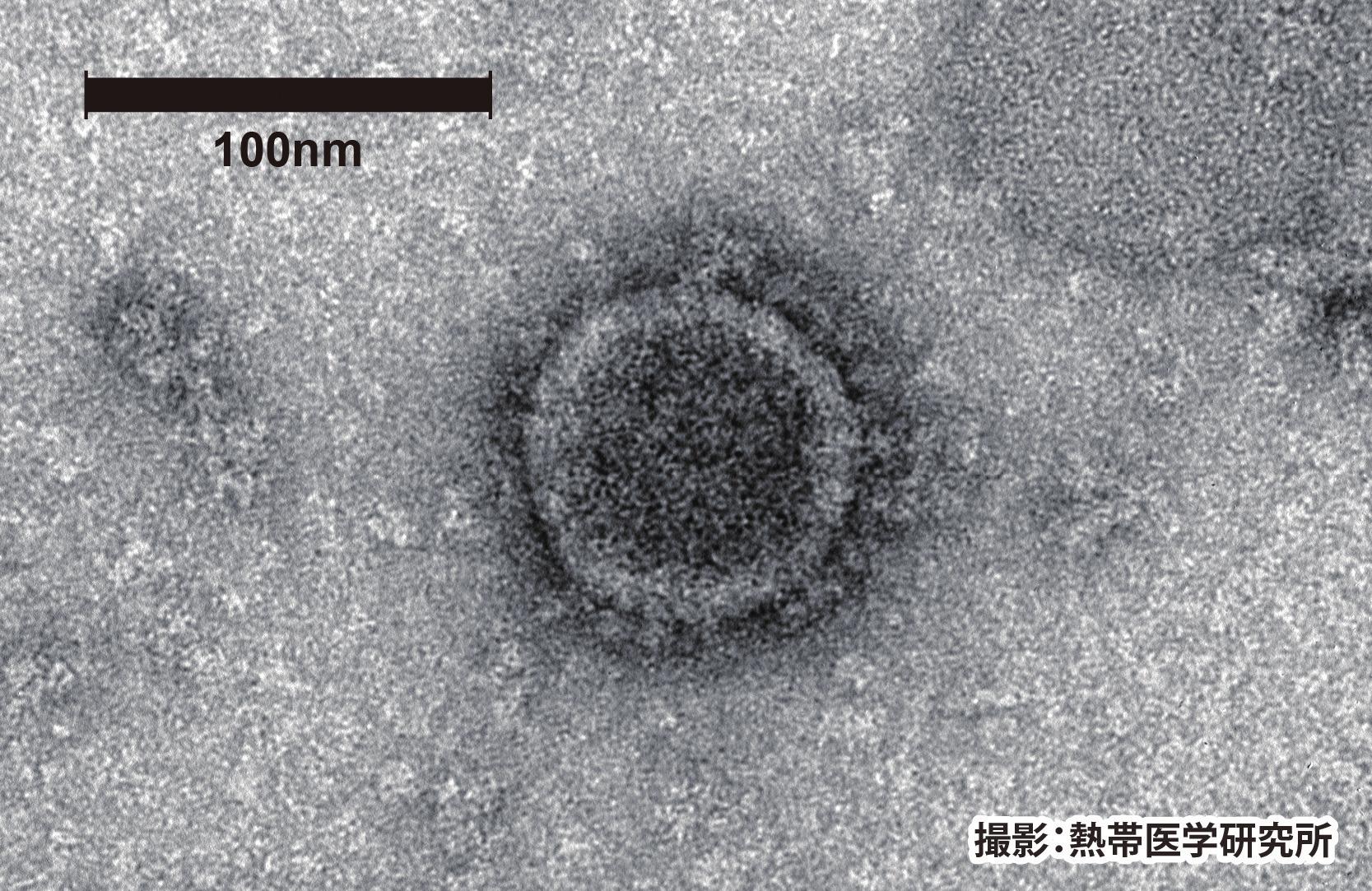
Nagasaki University has the only institute for tropical medicine in Japan and leads tropical medicine research in Japan and abroad
The Institute of Tropical Medicine, Nagasaki University, the only center for researching tropical medicine in Japan, is located in Nagasaki City. The institute was designated a WHO Collaborating Center for Reference and Research on Tropical Viral Diseases in 1993, and is a member of the WHO: Global Outbreak Alert and Response Network (GOARN). It’s also actively involved in Japan International Cooperation Agency (JICA) programs and emergency relief teams.
In 2019, Nagasaki University and Shionogi & Co., Ltd. concluded a comprehensive agreement with the aim of developing new drugs, centering on malaria. In addition to tackling industry-academia collaboration, Nagasaki University is working with 9 other universities in Japan with strong government support to promote the formation of an infectious disease research site centering on a BSL-4 facility.*
*BSL-4 Facility: A type of facility necessary to conducting R&D on diagnostic methods, vaccines, treatment methods, etc. as it is able to safely handle infectious disease pathogens considered to be even more dangerous than COVID-19.
Radiology and nuclear medicine
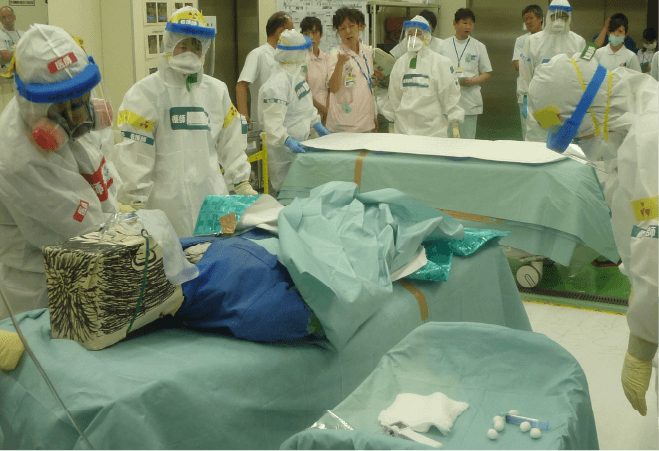
The Atom Bomb Disease Institute, Nagasaki University, is a research center for life sciences and radiation research in Nagasaki
The Atom Bomb Disease Institute, Nagasaki University, is a prominent research center for radiation medical sciences in Japan. Since its establishment in 1962, it has utilized its medical achievements in radiation disasters and radiation treatments gained through medical treatment of atomic bomb victims to aid radiation disasters and radiation treatments during the Chernobyl disaster and Fukushima nuclear accident.
Shipbuilding/machine manufacturing industry
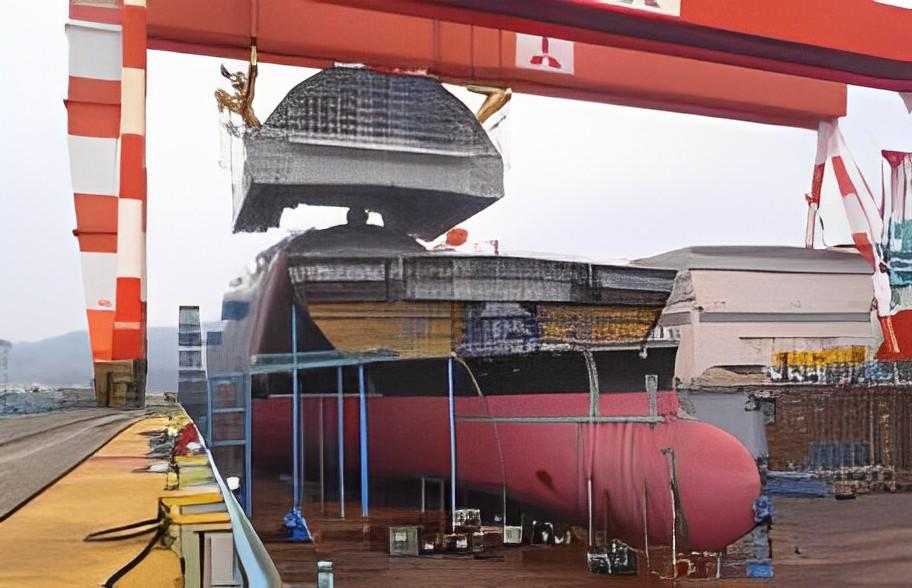
Utilizing accumulated shipbuilding/machine manufacturing technologies to pioneer new fields in ocean energy and the environment
Nagasaki City was designated by the Japanese government as the “Base of Marine and Environmental Industry in Nagasaki” in 2013. Not only is it promoting the construction of high added-value and energy-saving ships, but it’s also aiming to create a base for industries related to ocean energy.
Nagasaki Shipyard & Machinery Works is one of the largest facilities in Japan. It has constructed a variety of ships, including large passenger ships, LNG carriers, and battleships, and is promoting new initiatives to repair passenger ships. Recently, it has been moving ahead with adoption of cutting-edge technologies for operations support and maintenance management services utilizing IoT and big data. It’s also forming an ocean cluster through industry-academia-government collaboration as it strives to utilize technologies in new fields, such as Energy and the environment.
Marine science
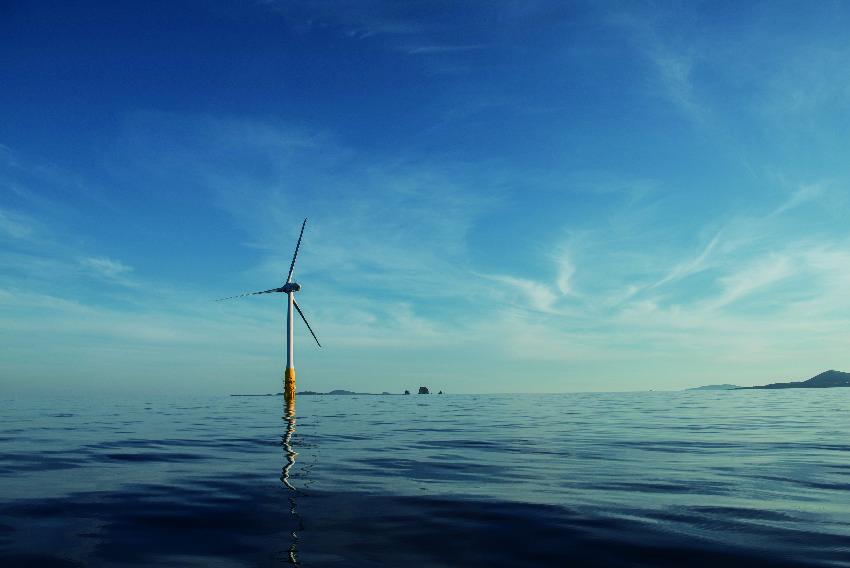
A major cluster of the world’s most advance marine products/marine science research
Nagasaki University, Nagasaki Institute of Applied Science, Nagasaki Prefecture, and Nagasaki Marine Industry Cluster Promotion Association are advancing industry-academia-government collaboration that aims to contribute to the formation of a hub for renewable ocean energy-related industries.
The Organization for Marine Science and Technology, Nagasaki University is an international base for research on developing and utilizing ocean energy, and preserving living marine resources and the environment. It’s tackling the creation of general marine products and marine products industry/offshore wind power, fishing, and coexistence with the region. Furthermore, the Nagasaki Institute of Applied Science, which was founded as a shipbuilding school, not only studies shipbuilding, but also conducts research in general marine science fields, including marine product resources, ocean resources, and underwater robots.
Nagasaki is a city of hope that prays for the abolishment of nuclear weapons and enduring peace.
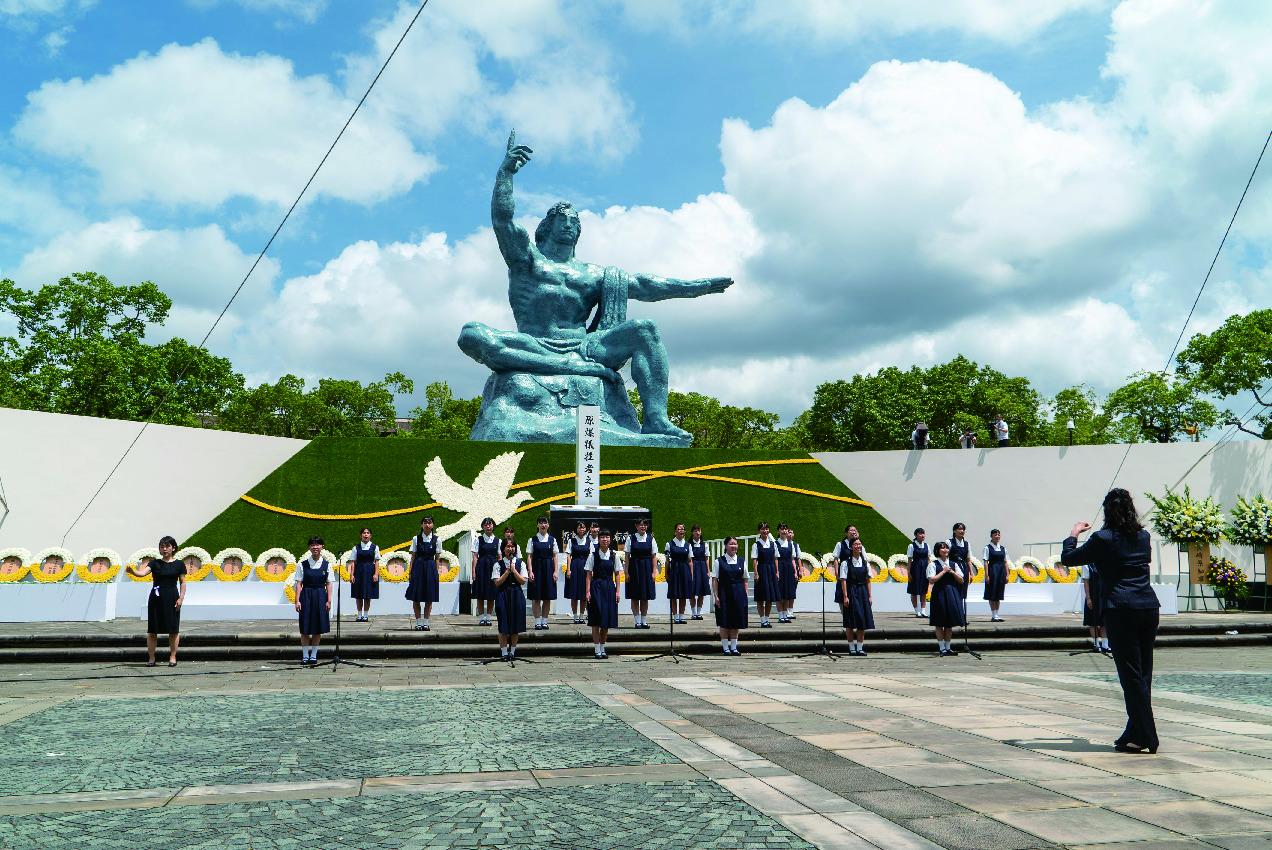
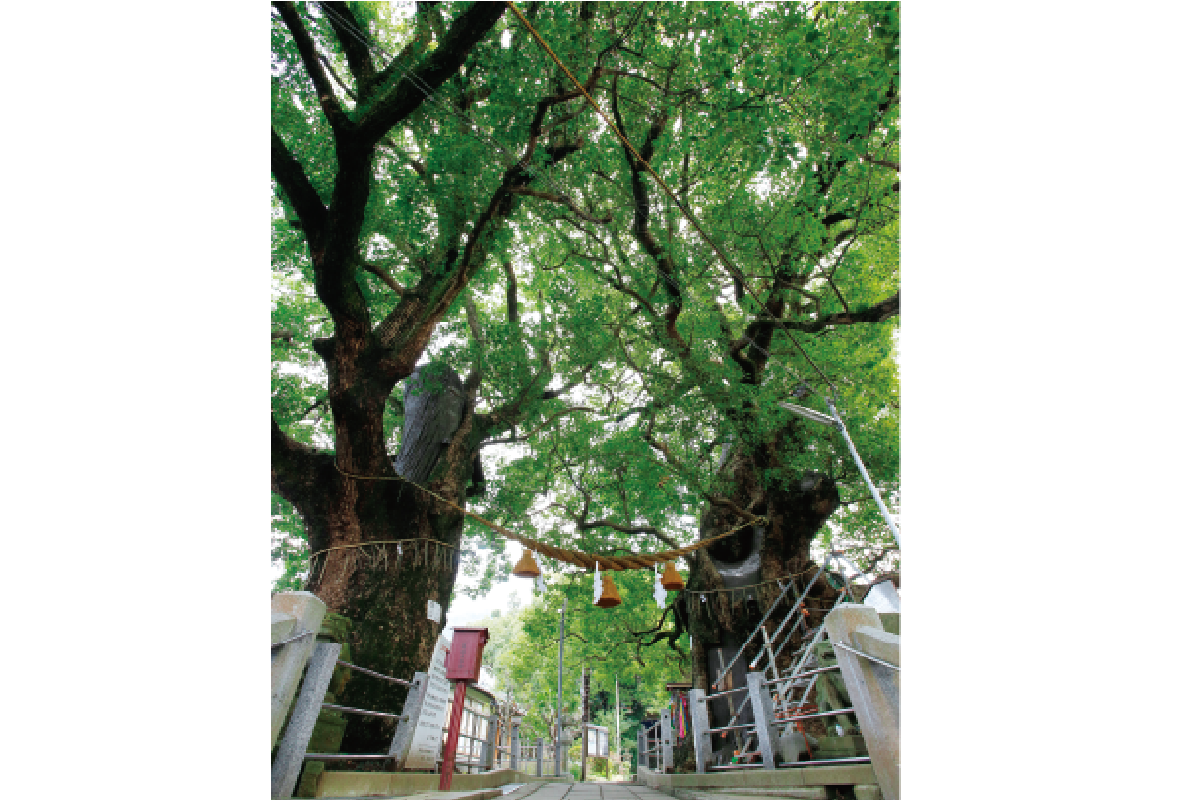
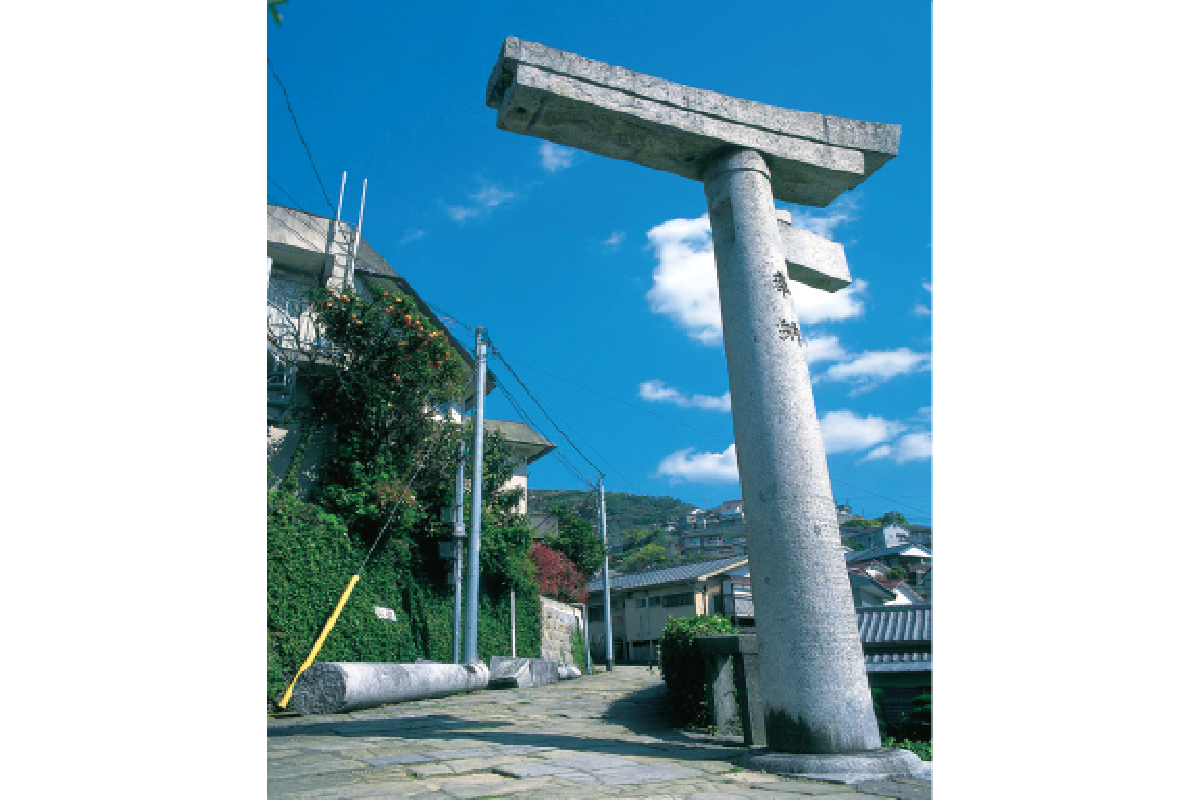
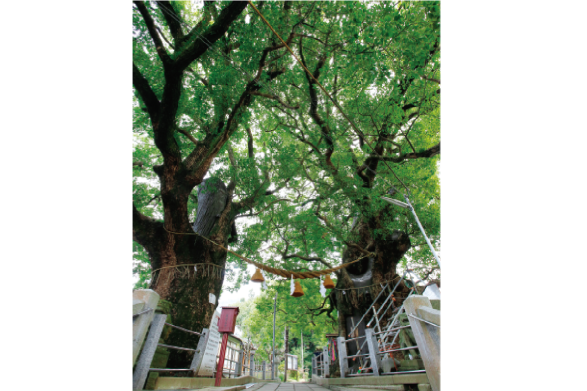
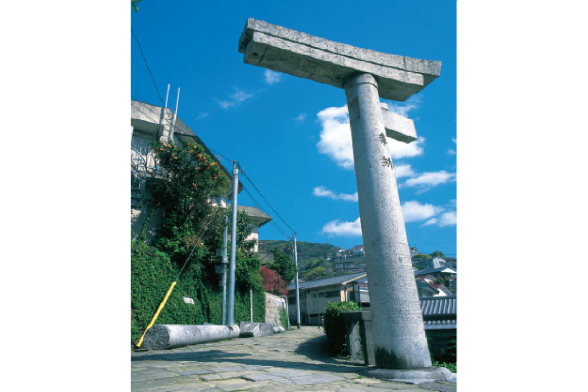
Along with Hiroshima, Nagasaki is a site where an atomic bomb was dropped in WWII. The atomic bomb that exploded over Nagasaki at 11:02 in the morning on August 9, 1945 reduced the city to ruins in an instant and took many precious lives. The residents of Nagasaki carry out a variety of peace activities so that the tragedy of the bombing will never be forgotten and the stories are passed on through the generations.
As the last atomic bomb site, the city continues to convey its message to abolish nuclear weapons and achieve enduring peace so that nuclear weapons are never used again. We pray that the grief and tribulation we experienced will never be repeated anywhere in the world.
Marine products industry
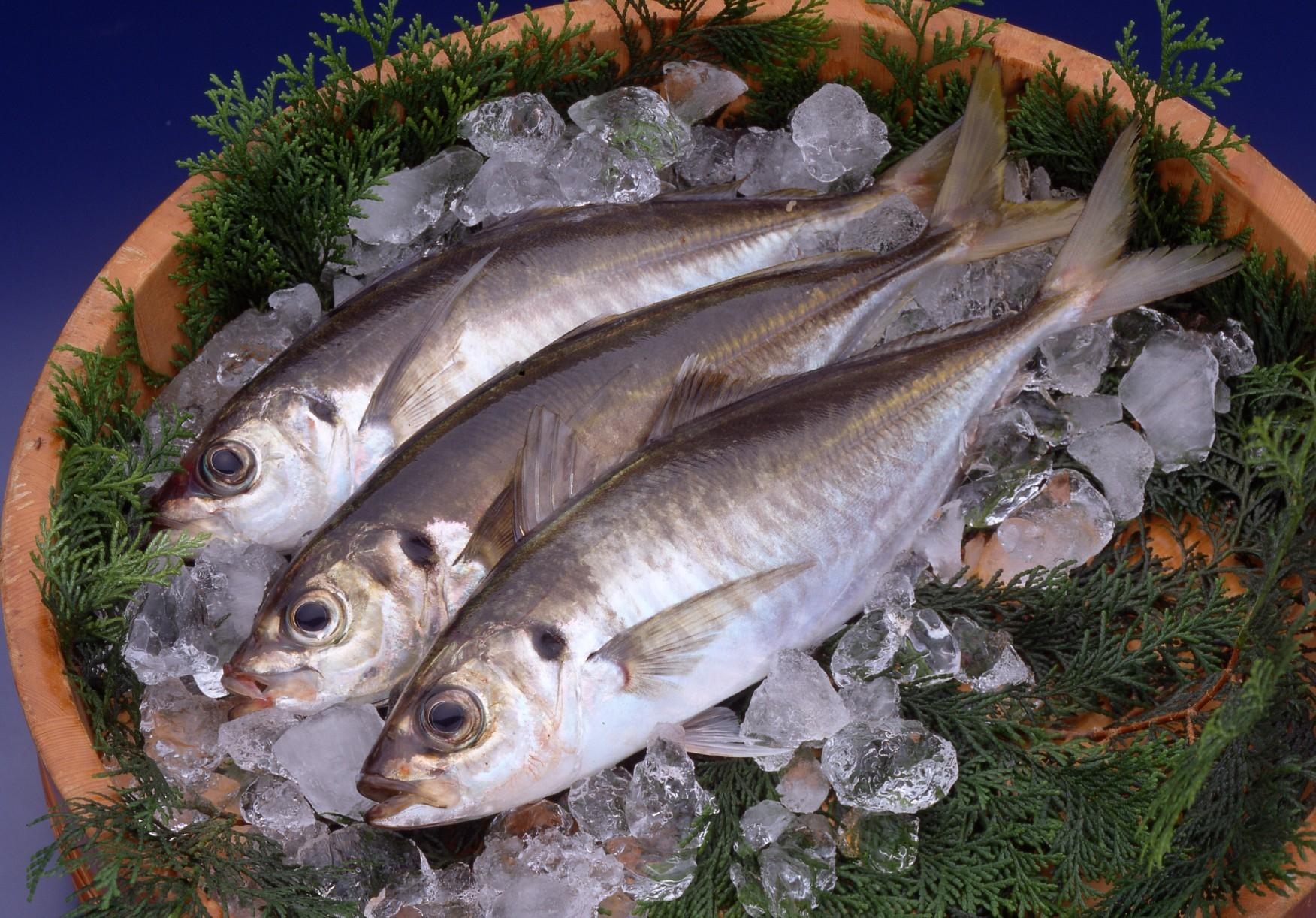
Nagasaki is surrounded by abundant sea waters and is one of the leading marine product cities in Japan
Nagasaki is impacted by the Kuroshio Current, one of the world’s biggest ocean currents, and has distinctive fishing grounds such as the East China Sea, which has a large continental shelf, as well as the Goto Sea, Tachibana Bay, and Omura Bay. As a city of fish, we are proud to have the third largest fish haul in the country with the greatest variety of fish in Japan.
There is also a thriving aquaculture industry producing the highest amount of farmed tiger pufferfish, known as a premium fish, in Japan.
Marine product processing is also flourishing. Products such as dried sardines and steamed fish paste of many varieties called “kanboko” by the locals are well known throughout Japan.
Leveraging the fact that the city is enveloped by the sea, recently it has been developing IoT devices to promote a smart marine products industry and has become a field test site for ocean energy projects.


